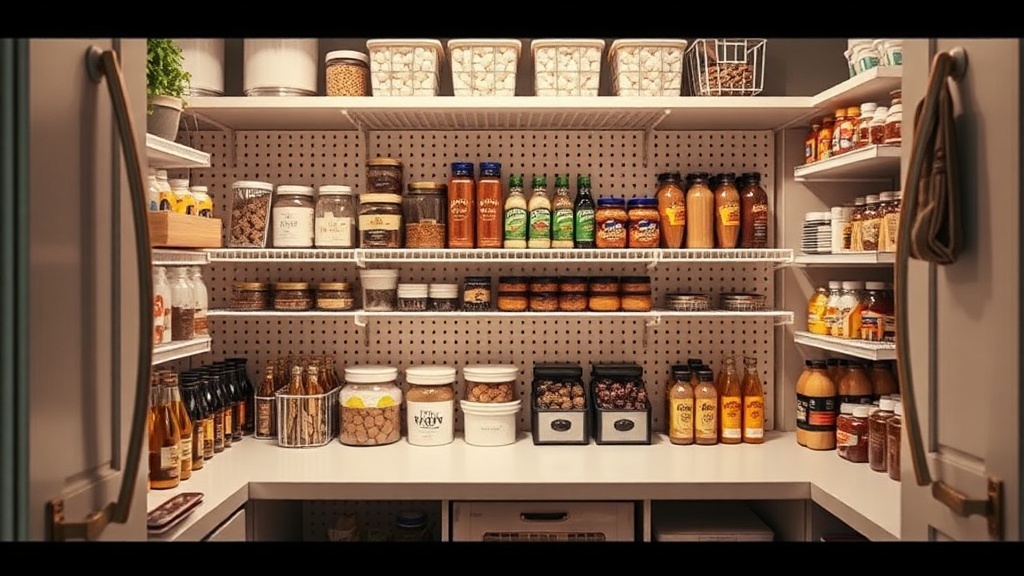
Better Ways to Organize Your Kitchen Pantry for Real Life

Why does a tidy pantry always seem to disappear after just one week?
You spend a Saturday afternoon sorting cans, grouping pasta shapes, and buying matching clear bins, only to find a chaotic pile of half-empty bags by Tuesday. It happens because most pantry organization advice focuses on how things look in a photo rather than how people actually live. A pretty pantry is useless if it doesn't account for the way you grab a snack in the dark or how your kids reach for cereal. This guide looks at practical, high-function systems that prioritize accessibility and durability over pure aesthetics.
The goal isn't just to have a "Pinterest-worthy" shelf; it's to build a system that survives the reality of a busy household. We're looking at wayfinding, visibility, and the physical mechanics of your kitchen. If you can't see what you have, you'll buy duplicates—and that's just a waste of money and space.
How do I organize my pantry by food category?
Grouping items by category is the most effective way to prevent the dreaded "pantry drift" where things end up in random spots. Instead of just putting items wherever they fit, try grouping them by how they are used. This creates a mental map for anyone in the house to follow.
- The Breakfast Station: Group cereals, oatmeal, and pancake mixes together. If you have a coffee or tea area, keep those supplies in one specific zone so you aren't hunting for a spoon every single morning.
- The Baking Zone: Flour, sugar, and baking soda belong together. Keep your heavy items—like large bags of flour—on the lowest shelves to keep the center of gravity low and prevent shelf strain.
- The Snack Hub: This is often the messiest area. Use open bins for grab-and-go items like granola bars or fruit pouches. If you have kids, placing this at their eye level (and away from the main cooking area) can prevent them from digging through your spices while you're making dinner.
- Dinner Prep Essentials: Keep your oils, vinegars, and frequently used spices in a reachable spot. If you use a specific set of spices every night, they shouldn't be buried in the back corner.
When you group by category, you'll notice patterns. You might realize you have three different types of open pasta boxes because they weren't grouped together. A better way to handle dry goods is to decant them into airtight containers, which keeps them fresh and makes them easy to stack.
What are the best storage containers for food?
Choosing the right containers is where many people go wrong. You might see a beautiful set of glass jars online and want them immediately, but you need to consider the practicalities of your specific pantry. Not every container is a good fit for every food type.
| Container Type | Best For | Why It Works | |
|---|---|---|---|
| Airtight Plastic Bins | Dry goods, cereals, flour | Lightweight and stackable. | Prevents pests and keeps food fresh. |
| Glass Jars | Grains, beans, lentils | Highly durable and aesthetic. | Great for visibility, but heavy. |
| Wire Baskets | Produce, onions, potatoes | Allows airflow. | Keeps vegetables from rotting too quickly. |
| Turntables (Lazy Susans) | Oils, vinegars, sauces | Rotates easily. | Accesses items in the back without reaching. |
If you are looking for high-quality food storage solutions, organizations like the U.S. Food and Drug Administration provide great advice on food safety and how to store various items to prevent spoilage. Using the wrong container for the wrong item can lead to stale food or even mold, which defeats the purpose of an organized pantry.
Can I use vertical space for more storage?
The biggest mistake people make in small pantries is treating every shelf as a flat surface. If you only use the surface area of the shelf, you're leaving a massive amount of air (and potential storage) above your items. Utilizing vertical space is the easiest way to increase your capacity without adding more shelves.
Consider using tiered spice racks or "stadium seating" style steps for canned goods. This allows you to see the label of the back cans without moving the front ones. You can also use stackable bins to create "rooms" within your shelves. For example, a three-tier can organizer is much more efficient than a single row of cans that hide each other.
Another great option is hanging organizers or over-the-door racks. These are perfect for small items like wraps, foil, or even small snack bags. If you have deep shelves, look for pull-out drawers or bins that act like drawers. This way, you can pull the entire bin out to see what's at the very back, rather than digging through a dark corner. You can find many different organizational tools at retailers like The Container Store, which is a great place to get ideas for specific dimensions.
How do I keep my pantry organized long-term?
Maintenance is the part everyone skips. You can't just organize once and expect it to stay that way forever. To keep your pantry functional, you need a routine. This doesn't have to be a massive monthly chore; it can be as simple as a five-minute check every Sunday before grocery shopping.
First, do a quick inventory. Look through your bins and see what's running low. This prevents you from buying a third jar of peanut butter when you already have one tucked in the corner. Second, check expiration dates. It's easy to push an old box of crackers to the back and forget it exists until it's a stale mess. If you find something that is expired, toss it immediately—don't let it clutter your space.
A final tip is to be intentional about your shopping. When you get home from the store, don't just shove things into the pantry. Take a moment to put them back in their designated "home." If the cereal goes in the cereal bin and the pasta goes in the pasta bin, your system stays intact. If you start putting things in random spots, the whole structure will fall apart within a few weeks.