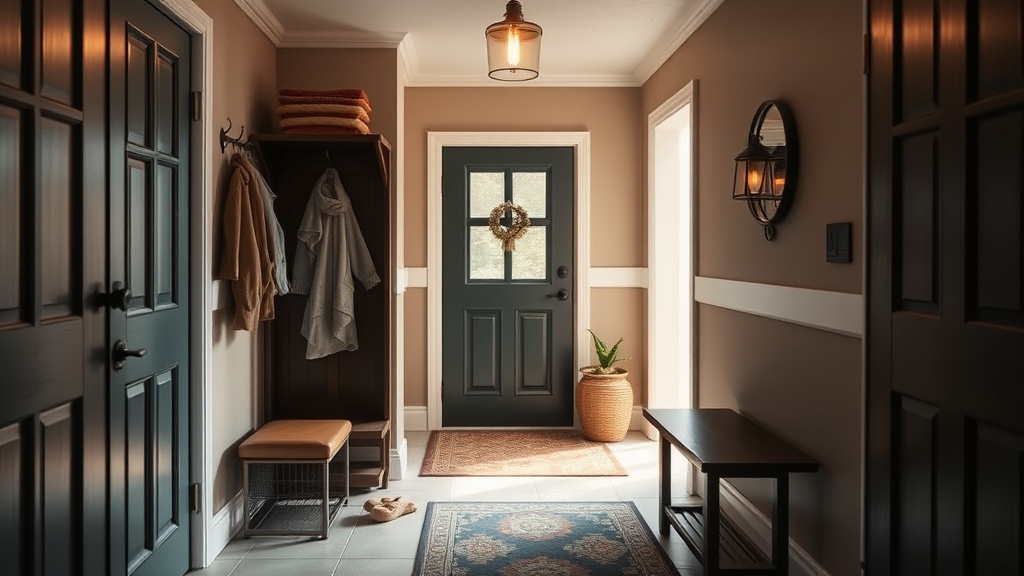
Build a Functional Mudroom in a Small Hallway

Why a Small Hallway Doesn't Mean a Cluttered Entryway
Most people believe that a dedicated mudroom requires a large, expansive room or a specific architectural layout. They see a narrow hallway or a small corner near the front door and assume it's a lost cause for organization. This misconception leads to piles of shoes, discarded coats, and a chaotic heap of mail right where you walk into your home. The reality is that a functional entry system isn't about square footage; it's about using the vertical plane and selecting the right-sized pieces for your specific footprint.
A well-organized entry point changes the entire energy of a home. It acts as a buffer between the outside world and your living space. Without a plan, the transition from the street to your sofa becomes a trip through a mountain of debris. By installing a few smart pieces, you stop the clutter before it ever hits your living room floor.
How much space do I actually need for a mudroom?
You don't need a spare room to create a functional zone. Even a narrow passage—something as small as three feet wide—can accommodate a slim console or a wall-mounted system. The goal is to keep the walking path clear. If you're working with a tight corridor, look for furniture with a shallow depth. A wall-mounted ledge or a narrow bench can serve as a landing strip for keys and mail without blocking your movement.
Think about your daily habits. Do you drop your keys on the first flat surface you see? Do your kids leave their backpacks in the middle of the floor? Address these specific behaviors. If you have kids, a low bench with cubbies is much more effective than a tall, spindly coat rack. If you live alone, a single high-quality hook and a small tray might be all you need to keep things tidy. You're designing for your lifestyle, not for a magazine photo.
Can I build a mudroom without a full renovation?
Absolutely. A full-scale renovation is one way to do it, but it's certainly not the only way. You can build a high-functioning entry system using modular pieces or DIY-friendly additions. Many people think they need to rip out drywall to add recessed shelving, but that's simply not true. Instead, look for ways to add depth to your existing walls.
One effective method is using pegboard or slatwall systems. These are incredibly versatile and allow you to move hooks and bins around as your needs change. If you find yourself with more shoes than usual this winter, you can simply add more hooks. For more inspiration on home organization and functional design, checking out resources like Architectural Digest can provide ideas on how professionals handle small-scale transitions. You can also look at Better Homes & Gardens for practical layout suggestions that work for standard residential floor plans.
Consider these three layers of organization for a small space:
- The Landing Zone: A small tray or bowl for keys, wallets, and sunglasses.
- The Vertical Layer: Hooks for coats, hats, and bags to keep them off the floor.
- The Footwear Layer: A low shelf or a series of baskets to contain shoes and prevent them from scattering.
What are the best materials for a durable entryway?
Since this area is the highest-traffic zone in your home, your material choices matter. Mudrooms deal with moisture from wet umbrellas, dirt from boots, and the general wear and tear of daily life. Avoid delicate fabrics or high-maintenance woods that might warp with humidity. Instead, look for items that are easy to wipe down.
| Material Type | Pros | Cons |
|---|---|---|
| Metal (Powder Coated) | Highly durable, easy to clean, modern look. | Can feel cold or industrial. |
| Solid Wood (Finished) | Warm aesthetic, very sturdy. | Needs protection from moisture. |
| Plastic/Polymer | Waterproof, lightweight, inexpensive. | Can look less premium; limited styles. |
| Woven Baskets | Adds texture, hides clutter well. | Difficult to clean if things get dirty. |
If you're using a wooden bench, ensure it has a finish that resists water. A simple polyurethane coating can prevent a wet raincoat from leaving a permanent mark. For those on a budget, a sturdy metal shelf from a big-box store can be customized with a coat of paint to match your interior design style perfectly.
How do I keep my small entryway from looking cluttered?
The biggest mistake people make is overstuffing their storage. If every hook is full and every basket is overflowing, the system fails. To keep things looking intentional rather than messy, follow the "one-in, one-out" rule. If you buy a new pair of seasonal boots, the old ones should be moved to a long-term storage bin in a closet.
Visual clutter is often caused by too many different colors and textures fighting for attention. Try to stick to a cohesive color palette. If you're using various baskets for storage, try to keep them in a similar shade or material. This creates a sense of order that makes the space feel much larger than it actually is. A single, uniform look helps the eye move smoothly through the space instead of snagging on every different object.
Another way to maintain a clean look is to manage the "micro-clutter." This includes things like mail, loose change, and junk that accumulates on surfaces. A dedicated mail slot or a small, stylish box can keep these items out of sight. When everything has a specific home, you spend less time tidying and more time actually enjoying your home.