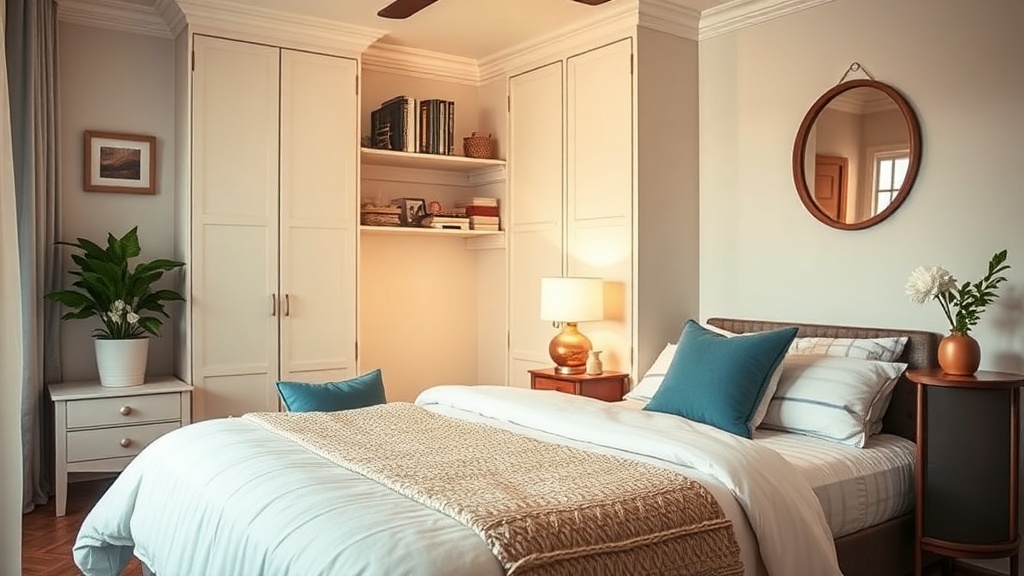
How to Organize a Guest Bedroom Without Making it a Storage Closet

What This Guide Covers
This guide explains how to design a guest bedroom that serves two purposes: a restful space for visitors and a functional part of your home. You'll learn why the "junk room" trap happens, how to select furniture that provides hidden storage, and how to keep the room feeling like a sanctuary rather than a storage unit. Most people fail here because they prioritize the room's utility over its hospitality, turning a welcoming space into a graveyard for seasonal clothes or old hobby gear.
A guest room shouldn't feel like an afterthought. When guests arrive, they shouldn't feel like they're intruding on your clutter. Instead, they should feel like they have a designated, tidy place to exist. We're going to look at how to manage the balance between your own storage needs and their comfort.
Can a Guest Room Also Be a Storage Space?
The short's answer is yes, but with a major caveat: do not let the storage win. It's easy to justify using the extra room for your linen collection, your sewing supplies, or those boxes of books you haven't touched in years. However, once the room loses its identity as a bedroom, it stops being a hospitable space. You'll find that when a guest stays, they feel awkward about moving your things or taking up space.
The trick is to use "hidden" storage. Instead of an open shelving unit that shows off your half-finished craft projects, look for pieces that hide the mess. A storage ottoman at the foot of the bed is a great example. It provides a place to sit and a place to hide extra blankets or even a few loose pillows. A bed with built-in drawers can hold your extra linens, but keep the surface of the bed clear. This keeps the room looking intentional rather than messy.
If you're using the room for a hobby—say, a home office or a reading nook—make sure the transition is seamless. A desk can be a place for work during the day and a beautiful writing station for a guest at night. Just ensure the desk doesn't become a magnet for loose mail and charging cables. According to design experts at Architectural Digest, the key to a successful multi-use room is clear boundaries between the functional zone and the rest zone.
How Do I Create Enough Space for Guest Belongings?
Most guests don't bring a massive suitcase. They usually have a small bag, a laptop, or a single garment they'd like to hang up. You don't need a massive walk-in closet to accommodate this; you just need a plan. Here are three ways to provide space without overwhelming the room:
- The Dedicated Hanger: Instead of an open-access closet that's stuffed with your winter coats, clear out a small section of a closet or a single high-quality garment rack. This gives them a place to hang a single jacket or a dress without feeling like they're digging through your life.
- The Luggage Spot: One of the biggest annoyances for travelers is living out of a suitcase on the floor. Provide a dedicated spot. A small, foldable luggage rack is a lifesaver. It can be tucked away when not in use, but it offers a high-end hotel feel when guests arrive.
- The Nightstand Rule: A guest needs a surface for a glass of water, a phone, and perhaps a book. If you have a tiny nightstand, ensure it has at least one drawer. This allows them to hide their personal items, keeping the room looking tidy.
If you're working with a very small room, consider a floating shelf instead of a bulky nightstand. It keeps the floor clear, which makes the room feel larger and more breathable. You can find great inspiration for small-space furniture at Apartment Therapy, which often highlights how to maximize small footprints.
What Are the Best Furniture Choices for a Function-First Guest Room?
When you're shopping for a guest room, look for pieces that serve a dual purpose. This is where you can get clever with your budget and your space. Avoid buying pieces that are purely decorative if they don't offer a way to tuck things away. A heavy, ornate dresser might look beautiful, but a sleek, modern sideboard can hold your extra towels while also serving as a surface for a tray of tea-making supplies.
| Furniture Type | Primary Function | Hidden Storage Potential |
|---|---|---|
| Storage Ottoman | Seating/Footrest | High (Blankets, Pillows) |
| Bed with Drawers | Sleeping | Very High (Linens, Seasonal) |
| Small Sideboard | Surface Area | Medium (Linens, Supplies) |
| Wall-Mounted Desk | Workspace | Low (Requires organization) |
The goal is to have a "clean" look. When a guest enters, they shouldn't see the internal mechanics of your home. They should see a cohesive design. If you must use the room for storage, ensure the most "active" items—the ones you use frequently—are tucked inside drawers or behind doors. The visual surface area should remain relatively empty to create a sense of calm.
Don't forget the lighting. A well-placed lamp on a side table does more for the "vibe" of a room than a dozen decorative pillows. Good lighting makes a room feel intentional and prepared. If the room is dimly lit by a single overhead light, it can feel cold and uninviting. A small, warm lamp suggests that the room was prepared specifically for their arrival.
Lastly, think about the "Welcome Kit" approach. Instead of a cluttered desk, set out a small tray with a carafe of water and two glasses. This takes up very little space but signals that the room is a guest space, not just a storage closet you've decided to let them sleep in. It's these small, thoughtful touches that define a truly functional and hospitable guest room.