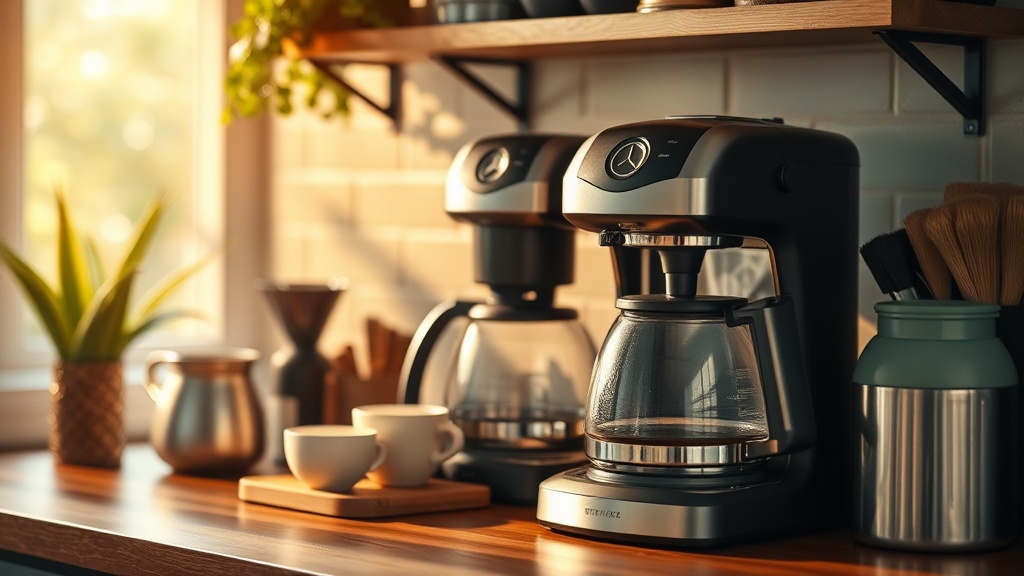
Organizing Your Coffee Station for Better Morning Routines

A Morning Spent Hunting for the Frother
Picture this: it's 6:45 AM. You're halfway through a sleepy stumble toward the kitchen, craving that first sip of caffeine. You reach for the milk frother, but it's buried under a pile of loose coffee pods and a stray bag of decaf. You find the oat milk, only to realize the lid is missing because it's sitting loosely in a drawer. This isn't just a minor inconvenience; it's a breakdown in your morning workflow. A dedicated coffee station—whether it's a corner of your countertop or a built-in nook—needs more than just an espresso machine. It needs a system that prevents the mid-morning clutter from creeping in.
A well-organized coffee station changes the way you start your day. Instead of a messy pile of syrups and sugar packets, you have a streamlined zone where everything has a home. This post covers how to categorize your supplies, select the right containers, and design a layout that actually works for your specific brewing method.
What is the best way to organize a coffee bar?
The secret to a functional coffee bar isn't buying more stuff; it's deciding how you use your gear. Most people make the mistake of treating their coffee station like a junk drawer. To avoid this, you should group your items by frequency of use. For instance, your daily drinkers (the beans or grounds you use every single morning) should be front and center, while your seasonal syrups or specialized tea tools can sit in the back.
Consider these three zones for your station:
- The Prep Zone: This is where your machine lives. Ensure there is enough clearance above the machine for steam and enough space to the sides for filling the water reservoir.
- The Ingredient Zone: This holds your coffee, milk, sweeteners, and syrups.
- The Tool Zone: This is for the "extras"—scoops, frothers, stirrers, and even small cleaning brushes.
If you have a small kitchen, look at the [Architectural Digest](https://www.architecturaldigest.com) for inspiration on how designers use small-scale surfaces to create high-impact functional areas. A small tray can act as a visual boundary, telling your brain (and your guests) exactly where the coffee-making happens. This prevents the "drifting" of sugar bowls and spoons across your entire kitchen counter.
Should I use clear containers for coffee beans and grounds?
The short answer is yes, but with a caveat. While glass or high-quality acrylic containers look beautiful and let you see exactly when you're running low, they aren't always the best for long-term freshness. Coffee beans are sensitive to light and air. If you want the aesthetic of clear jars without the degradation of your expensive beans, look for airtight canisters with a silicone seal or opaque ceramic jars.
For things like sugar, cocoa powder, or matcha, clear containers are a win. They add a sense of order and look much cleaner than half-opened plastic bags. When choosing containers, look for a cohesive style. If you're leaning toward a modern look, go with sleek, uniform glass jars. If your kitchen is more rustic, wooden or metal canisters can add texture. The goal is to create a visual rhythm that doesn't feel chaotic.
"Order in the kitchen isn't about perfection; it's about reducing the friction of your daily habits."
Don't forget the vertical space. If your counter real estate is limited, a tiered stand or a small two-shelf unit can hold your syrups and spices without taking up the entire surface. This keeps the workspace clear for the actual brewing process.
How do I store coffee syrups and milk without a fridge?
This is where most people run into trouble. If you love flavored lattes, you likely have a collection of syrups. Most commercial syrups are shelf-stable, but they can get sticky and messy. Instead of leaving the bottles loose, use a dedicated syrup dispenser or a small metal rack. This keeps the bottles upright and prevents the sticky residue from buildingる up on your countertop.
Regarding milk, if you don't want to keep a full-sized carton on the counter, consider a small, stylish milk pitcher or a dedicated creamer station. If you use plant-based milks, be aware that many require refrigeration once opened. In that case, a small, high-end electric milk frother that sits right next to your machine is a great way to keep things handy. You can find great ideas for small-space organization through [The Spruce](https://www.thespruce.com) which often features clever kitchen layout tips.
Lastly, manage your way of life. If you find you're using a certain syrup every single day, keep it out. If you only use pumpkin spice in October, tuck it away in a pantry or a low cabinet. A coffee station should be a living part of your home, not a static display of things you rarely use. By rotating your items based on the season or your current habits, you keep the station functional rather than just decorative.