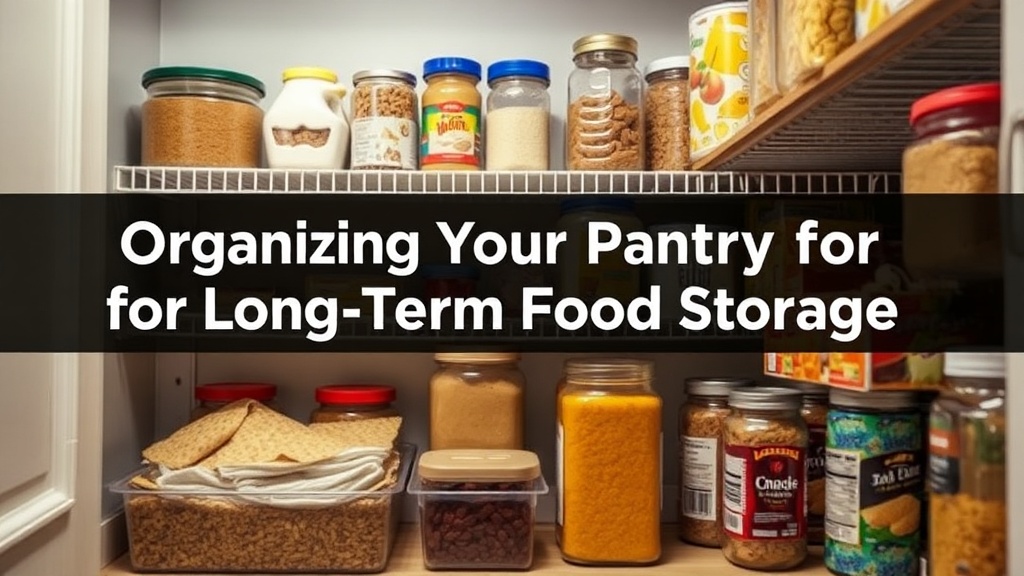
Organizing Your Pantry for Long-Term Food Storage

Why Does a Disorganized Pantry Feel So Frustrating?
Have you ever stood in front of your pantry, staring at a sea of half-empty boxes and mismatched jars, feeling completely overwhelmed? It isn't just about the mess; it's about the time you lose searching for that one specific can of chickpeas or realizing you're out of flour right when a recipe calls for it. A functional pantry keeps your kitchen running smoothly—it's the backbone of your cooking experience. This guide covers how to build a system that actually works for your specific lifestyle, whether you're a heavy meal prepper or someone who just wants to find the salt without a scavenger hunt.
Effective storage isn't just about putting things in bins. It's about understanding the flow of your kitchen and how you interact with your ingredients. When everything has a logical place, you spend less time digging and more time actually enjoying your cooking. We'll look at how to categorize, how to select the right containers, and how to maintain the system so it doesn't fall apart after one week of heavy use.
How Do I Choose the Right Storage Containers?
One of the biggest mistakes people make is buying a bunch of cute, matching containers without a plan. Before you spend a dime at a home goods store, look at what you actually buy. If you buy bulk bags of rice or flour, you need airtight, stackable containers that can handle those volumes. If you're a person who buys a lot of small, oddly shaped items, you might benefit more from clear, modular bins rather than rigid canisters.
Consider these three main types of storage:
- Airtight Canisters: Best for dry goods like grains, pasta, and baking supplies. They keep moisture out and prevent pests.
- Clear Bins: These are perfect for grouping similar items together, like snack packs or small condiment bottles. Being able to see exactly what's inside is a massive advantage.
- Tiered Shelving: Often called "lazy Susans" or spice tiers, these allow you to see items in the back of a deep cabinet without having to move everything in front of them.
A good rule of thumb is to prioritize durability and visibility. If you can't see through it, you'll likely forget it's there until it expires. For more technical advice on food safety and storage temperatures, check out the USDA Food Safety and Inspection Service to ensure your pantry-stored goods stay fresh longer.
What Is the Best Way to Group Food Items?
Grouping is where the magic happens. Instead of just shoving things onto a shelf, you want to create zones. Think about the way you cook. If you do a lot of baking, your flour, sugar, and baking powder should live together in one dedicated area. If you're a quick breakfast person, your oatmeal and granola should be in a single, easy-to-reach zone.
| Zone Type | Common Items | Best Storage Method |
|---|---|---|
| Baking Station | Flour, Sugar, Cocoa, Extracts | Large airtight canisters |
| Grains & Pasta | Rice, Quinoa, Spaghetti | Tall, narrow containers |
| Snack Zone | Granola bars, Chips, Crackers | Open clear bins for easy grabbing |
| Dinner Prep | Canned beans, Soups, Sauces | Tiered shelving or deep baskets |
By grouping items by usage rather than just size, you create a more intuitive system. For example, a "pasta night" zone might include the pasta, a specific sauce, and perhaps a decorative jar of spices. This makes the mental load of cooking much lighter.
How Often Should I Audit My Pantry?
The secret to a pantry that stays organized isn't the initial setup; it's the maintenance. A pantry is a living thing that grows and changes based on your eating habits. I recommend a deep dive every three months. This isn't just about cleaning; it's about checking expiration dates and identifying what you actually use versus what is just taking up space. If you find yourself constantly moving a certain item to the back, it's a sign that it doesn't belong in that zone or you don't actually need it.
During your audit, look for the following:
- Expired Goods: Check those small jars of spices or old baking soda. They lose potency over time.
- Empty Containers: Don't let empty boxes sit in the pantry. They create visual clutter and can hide other items.
- Stock Levels: Do you have too much of one thing? Adjust your shopping list accordingly to avoid overstocking.
If you're looking for inspiration on how to keep your kitchen spaces functional, sites like Architectural Digest offer great looks at how professional designers manage high-end pantry spaces. It’s often about the balance between aesthetics and utility.
Remember, your pantry should work for you, not the other way around. It's okay to start small. You don't need to buy a dozen new bins today. Start by grouping your spices together or putting all your baking supplies in one spot. Once that feels natural, move on to the next section. A well-organized pantry is a tool that makes your daily life a little bit easier and a lot less stressful.