Stop Ignoring Your Closet Floor: A Better Way to Organize Shoes

The Myth That More Floor Space Means More Storage
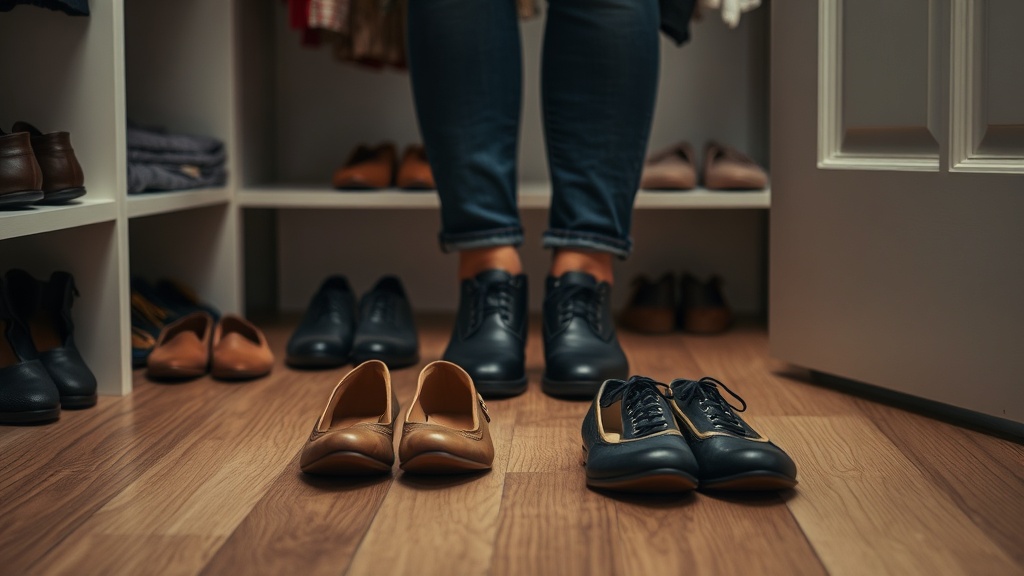
Most people think a cluttered shoe collection is a sign of a small closet, but the truth is usually the opposite. You don't have a space problem; you have a visibility problem. When you pile shoes in a heap on the closet floor, you create a visual mess that makes the entire room feel smaller and more chaotic. A pile of sneakers and heels isn't just an eyesore—it's a graveyard for footwear where the pair you actually want to wear gets buried at the bottom. To fix this, you have to stop looking down and start looking up or sideways. Effective storage isn't about adding more square footage; it's about changing how you use the air around you.
Organizing footwear requires a shift in how you view your closet's footprint. Instead of treating the floor as a landing strip for everything you kick off at the end of the day, think of it as a precious, limited resource. When you clear the floor, the room instantly feels more expansive. It's a simple trick, but it works because it removes the visual noise that signals-disorder to our brains.
How Do I Organize Shoes in a Small Closet?
The biggest mistake people make is buying more bins. Bins often just hide the mess rather than solving it. If you're working with a tiny footprint, you need to think vertically. The floor of a closet is the least efficient place for a shoe to live. Instead, try using hanging organizers or adjustable-height shelving units. If you're dealing with a narrow closet, a hanging fabric organizer can hold dozens of pairs without taking up a single inch of floor space.
For those who prefer a cleaner, more structured look, consider stackable clear shoe boxes. These are great because they allow you to see exactly what you have without digging through a bin. However, don't just grab any cheap plastic. Look for containers that are stackable and sturdy so they don't tip over when you reach for a heel. If you want to keep things high-end, look at brands like The Container Store (https://www.containerstore.com) for specialized footwear solutions that fit specific shelf heights. This keeps your collection visible, protected, and—most importantly—off the floor.
Can I Use Over-the-Door Racks for Heavy Boots?
This is a common question, and the answer is a cautious maybe. Over-the-door organizers are fantastic for flats, sandals, and sneakers. They are incredibly space-efficient and easy to install. However, standard fabric pockets often stretch or even tear under the weight of heavy winter boots or high-top combat boots. If you try to force heavy footwear into a flimsy hanging organizer, you'll end up with a broken door and a mess on the floor.
If you have a collection of heavier boots, look for metal or heavy-duty plastic over-the-door racks. These are much more durable and can handle the weight distribution better than the cheap fabric versions you see in big-box stores. If you're worried about the door slamming or the weight pulling on the hinges, make sure to check the weight limit of the hardware. It's a small detail, but it prevents a frustrating DIY disaster later on. For more on home organization standards, the Architectural Digest (https://www.architecturaldigest.com) often discusses how to balance aesthetics with practical storage in high-end homes.
Where Should I Store Seasonal Footwear?
The "out of sight, out of mind" method is your best friend when it comes to seasonal changes. You shouldn't be fighting for space in your daily-use closet with summer sandals and winter snow boots. The key is to create a rotation. During the spring, your summer shoes should be tucked away in long-term storage. This might mean using under-bed rolling bins or high-shelf containers that are out of the way but still accessible.
When storing shoes for long periods, protection is everything. Dust and moisture are the enemies of leather and suede. Instead of just tossing them in a bin, consider using dust bags or even simple breathable garment bags. This prevents the material from degrading while it sits in a box. If you're storing shoes in a basement or a garage, make sure the area is temperature-controlled. Extreme heat or cold can crack leather and ruin the structural integrity of the shoe. A well-managed rotation ensures that when the seasons change, your footwear is ready to go without any unexpected surprises.
The Best Footwear Storage Methods by Type
Not all shoes are created equal, and their storage should reflect that. A delicate stiletto requires different care than a rugged hiking boot. Use this quick guide to decide which method fits your collection best:
| Shoe Type | Ideal Storage Method | Pro Tip |
|---|---|---|
| Heels & Stilettos | Vertical Shelving | Store them upright to prevent ankle warping. |
| Sneakers & Flats | Over-the-Door Organizers | Use clear pockets for easy visibility. |
| Heavy Boots | Sturdy Boot Trees or Shelves | Use boot trees to maintain their shape. |
| Sandals & Flip-flops | Stackable Bins | Great for keeping sand and dirt contained. |
One thing to remember is that your storage solution should be as much about the look of the room as it is about the utility. A cluttered floor makes a bedroom feel unorganized and stressful. By investing a little time into a system—whether it's a dedicated shoe rack, a hanging organizer, or a stackable bin system—you're actually investing in the quality of your living space. It's not just about the shoes; it's about the headspace they take up in your daily life.