The Ultimate Guide to Small Space Storage That Actually Works

Why Most Small Space Storage Advice Fails
Here’s the truth: most storage advice looks good in photos but falls apart in real life. Open shelving turns into clutter. Minimalist bins become junk drawers. And those “tiny home hacks” rarely survive a busy week.
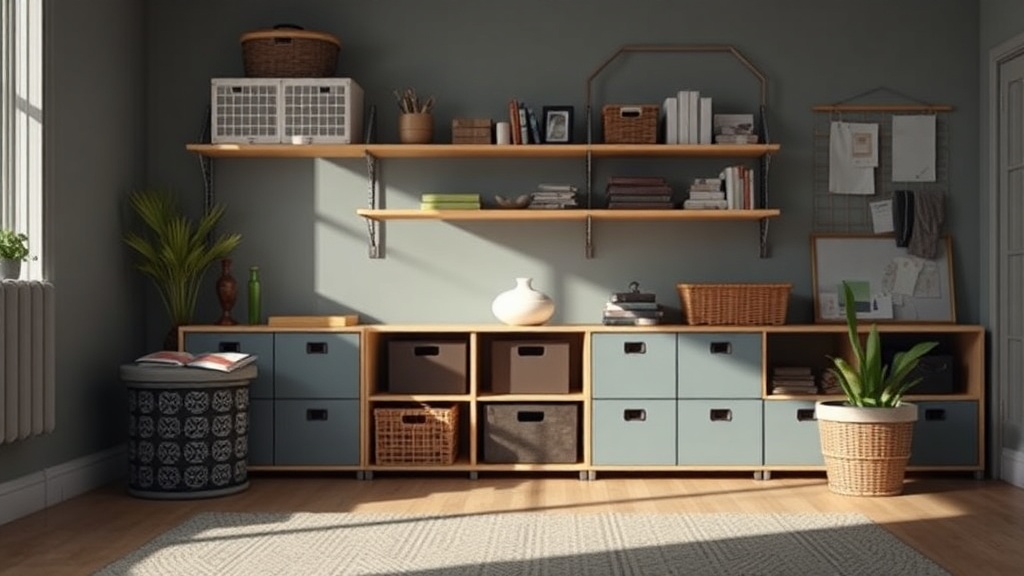
Smart storage isn’t about buying more containers—it’s about designing your space so everything has a logical, frictionless place to live. That means thinking vertically, using hidden zones, and prioritizing access over aesthetics.
Section 1: Start With Zones, Not Products
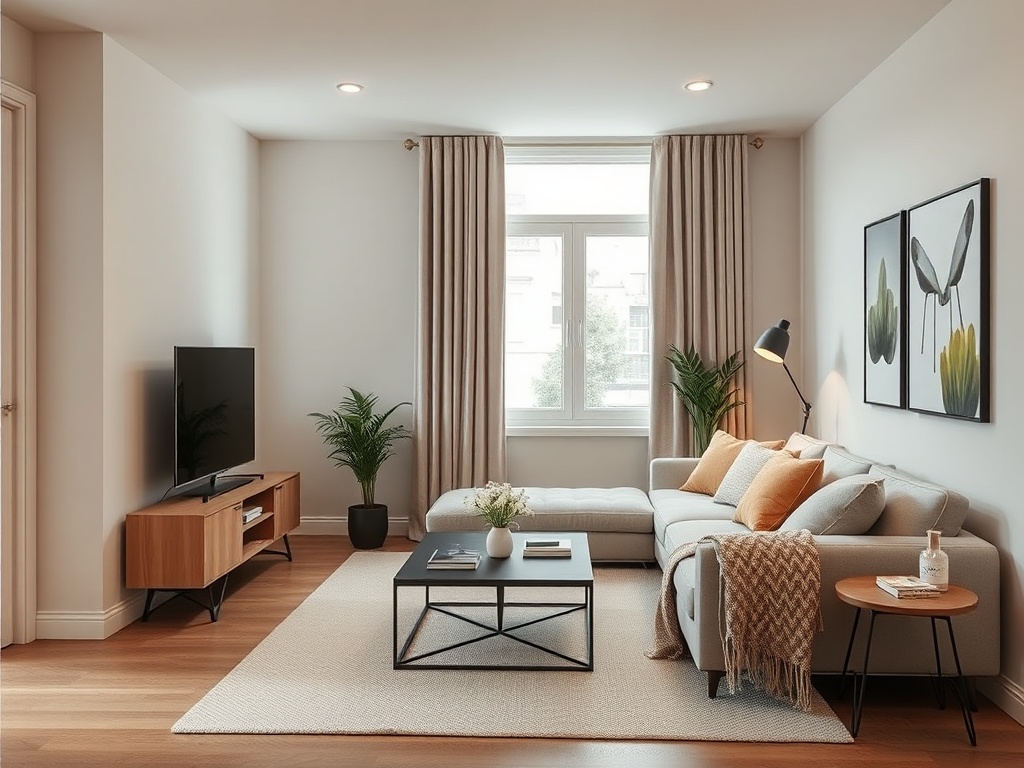
Before you buy anything, define zones. Every room should have micro-areas with a clear purpose: entry drop zone, daily-use kitchen area, work corner, sleep zone.
When you skip this step, you end up storing items where they fit—not where they belong. That’s how clutter spreads.
- Entry zone: Keys, bags, shoes—everything you touch when coming and going.
- Daily-use zone: Items you use every day should be within arm’s reach.
- Deep storage zone: Seasonal or rarely used items go higher or farther away.
Once zones are clear, storage decisions become obvious.
Section 2: Use Vertical Space Like You Mean It
Most people stop at eye level. That’s a mistake. Walls are your biggest untapped storage asset.
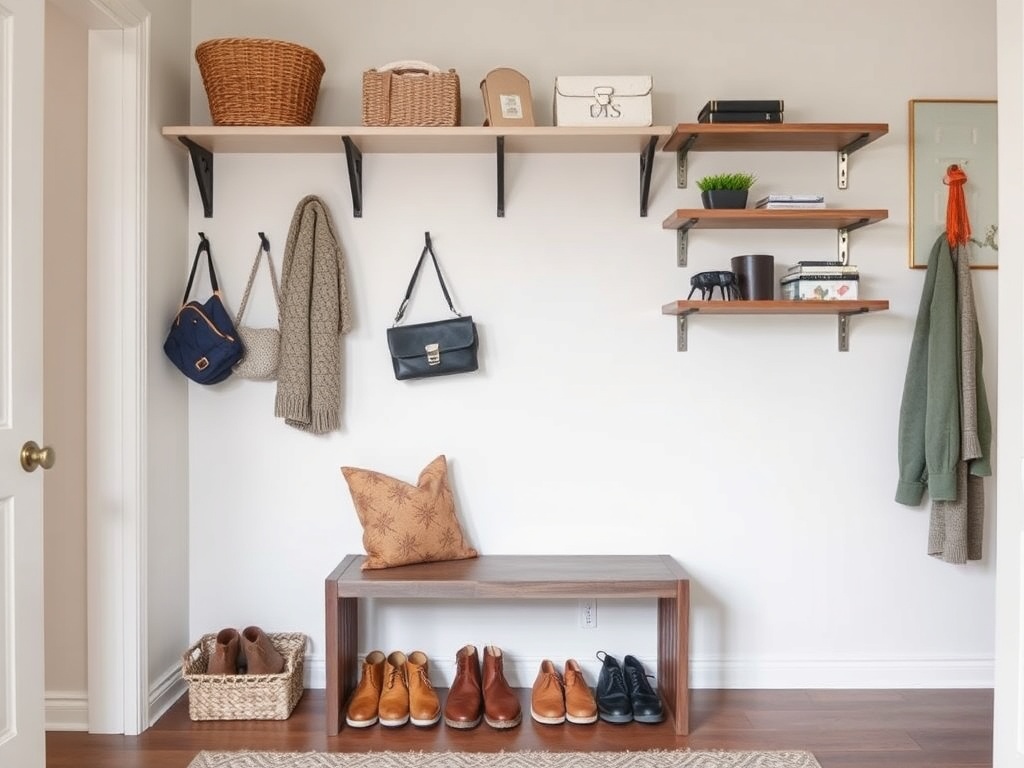
Install shelving that goes nearly to the ceiling. Use the top shelves for items you don’t need daily, and keep frequently used items at mid-level.
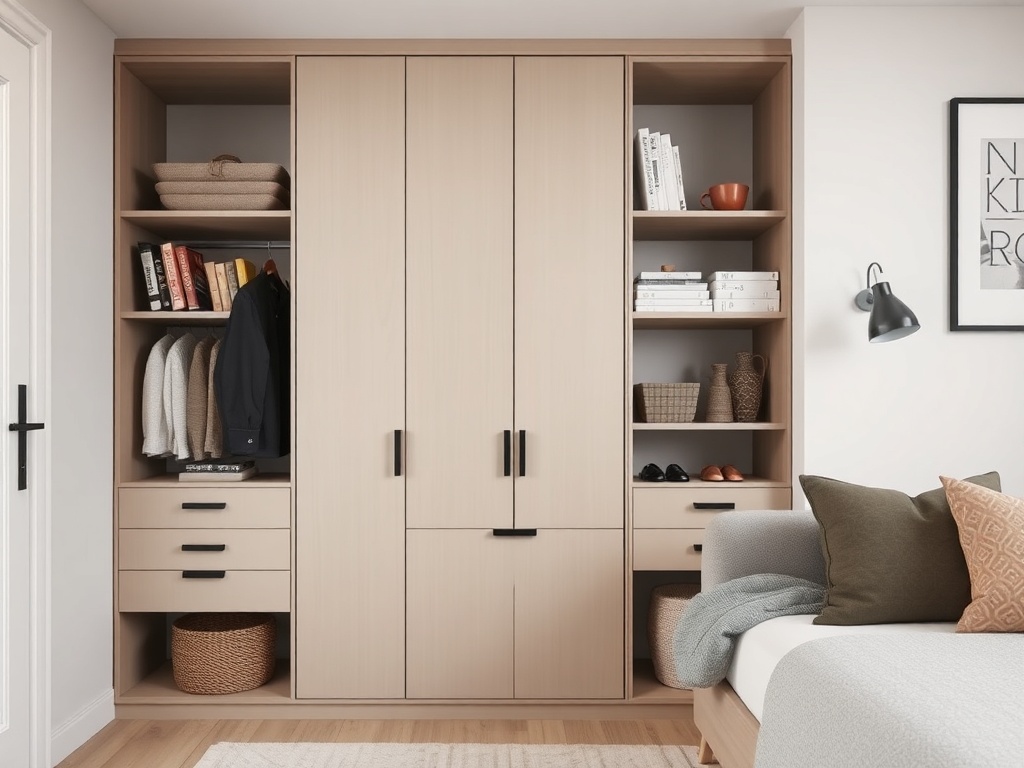
In kitchens, extend cabinets upward or add stacked shelves. In bedrooms, consider tall wardrobes instead of wide dressers.
- Wall-mounted shelves free up floor space
- Hooks can replace bulky furniture
- Vertical dividers make cabinets more efficient
The goal is simple: reduce horizontal clutter by thinking vertically.
Section 3: Hidden Storage Is Non-Negotiable
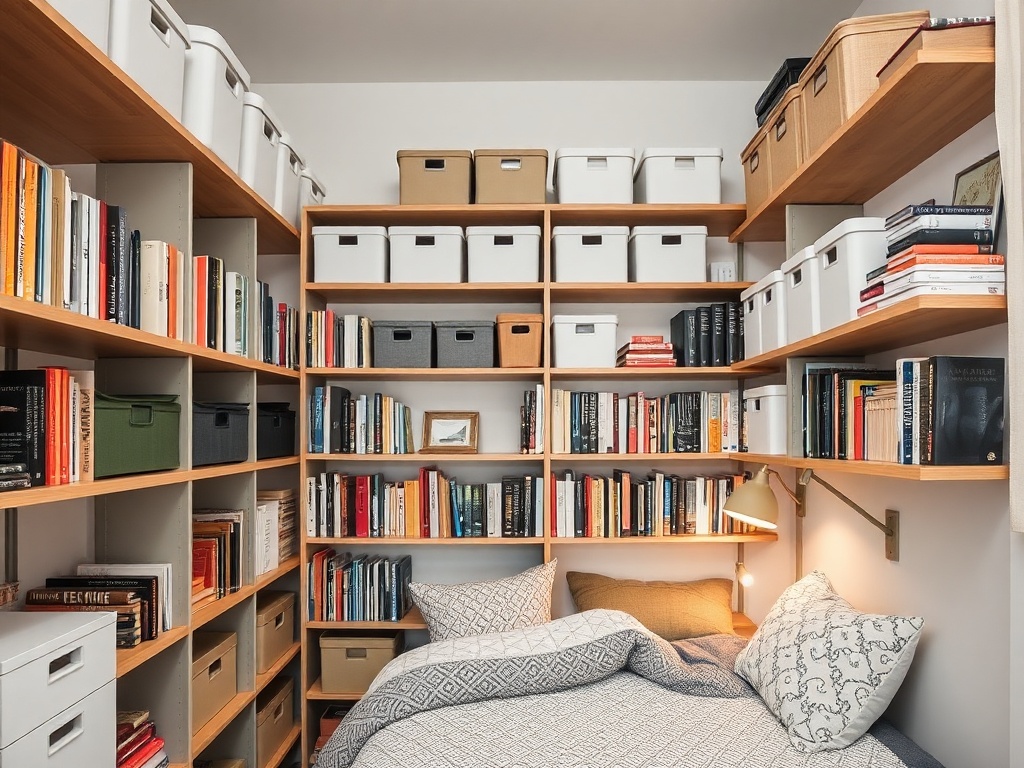
If everything is visible, everything feels messy. Hidden storage creates visual calm—even if the inside isn’t perfect.
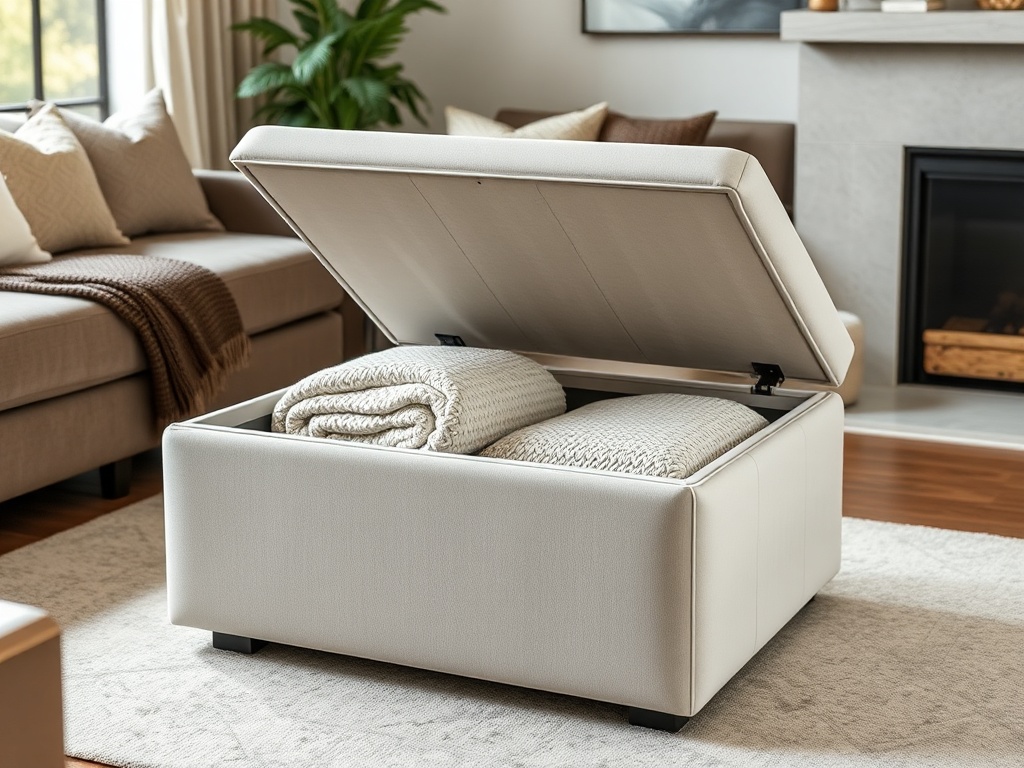
Look for furniture that works double duty:
- Beds with built-in drawers
- Ottomans with storage inside
- Coffee tables that lift open
This is where small spaces win—every piece should earn its footprint.
Section 4: Reduce Before You Organize
No storage system can fix having too much stuff. Before organizing, cut down what you own.
Use a simple rule: if you haven’t used it in a year and it’s not meaningful, it goes.
Decluttering makes every other step easier. It also reveals what kind of storage you actually need instead of guessing.

Section 5: Make Everyday Items Effortless to Access
If something is annoying to access, you won’t put it away. That’s how clutter builds.
Design storage around behavior, not perfection:
- Keep daily items visible or within one step
- Avoid stacking items you use frequently
- Use open bins for quick-drop storage
The best system is the one you’ll actually maintain.
Section 6: Small Space Storage by Room
Living Room
Use multi-functional furniture and keep surfaces clear. Wall-mounted media units help eliminate bulky stands.
Bedroom
Under-bed storage is essential. Use vacuum bags for seasonal clothing and rotate items as needed.
Kitchen
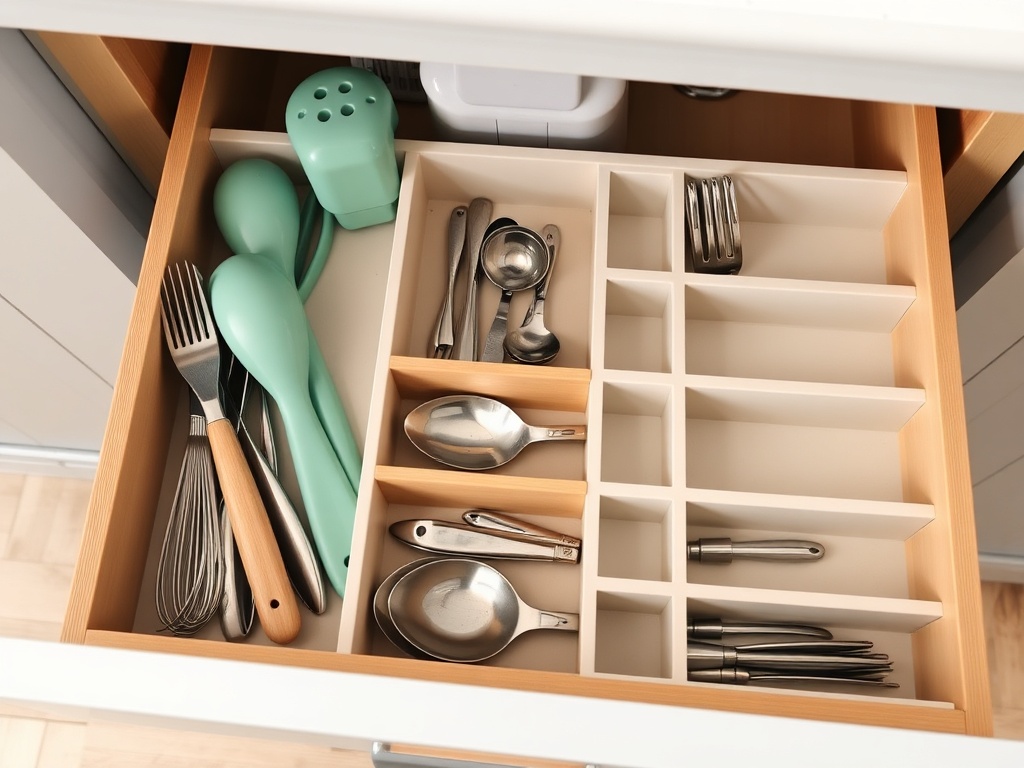
Maximize cabinet space with risers and pull-out organizers. Keep countertops as empty as possible.
Bathroom
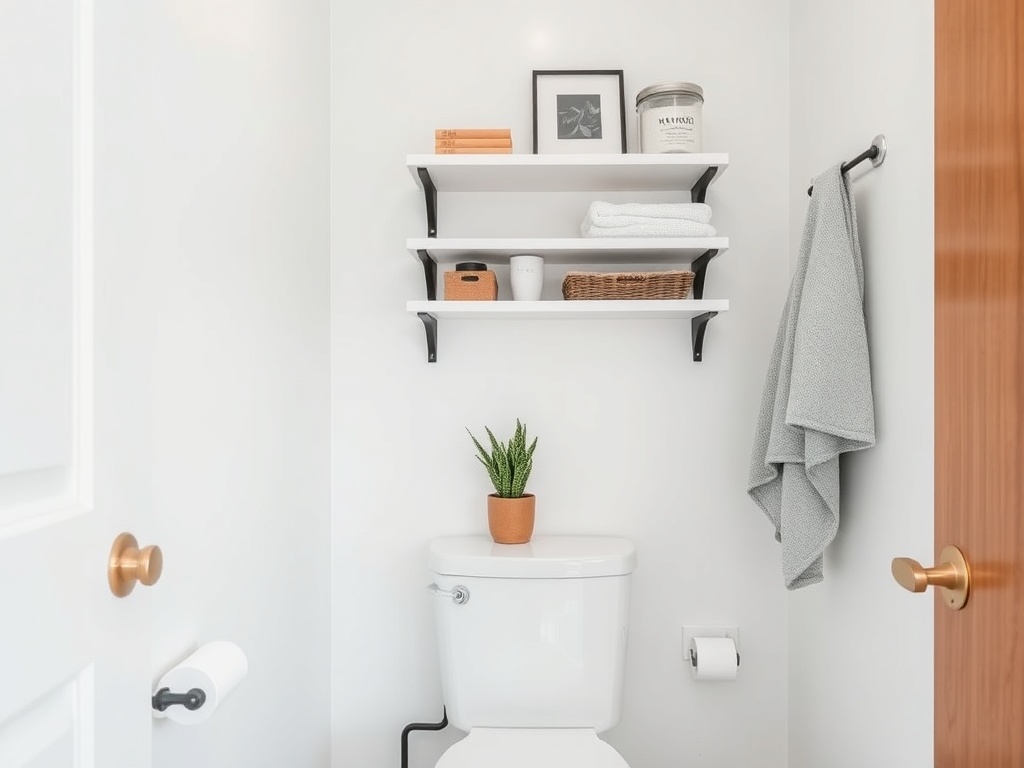
Use vertical shelving above the toilet and drawer organizers for small items.
Section 7: Style Still Matters (But It’s Secondary)
Yes, aesthetics matter—but only after function works. Choose storage that blends with your space so it doesn’t feel intrusive.
Neutral tones, consistent materials, and clean lines help storage feel intentional instead of cluttered.
Final Thoughts: Build Systems, Not Just Storage
Storage isn’t about containers—it’s about systems. When every item has a place that makes sense, your space stays organized with less effort.
Start small. Fix one zone. Then expand. That’s how you turn a cramped space into something that actually works.