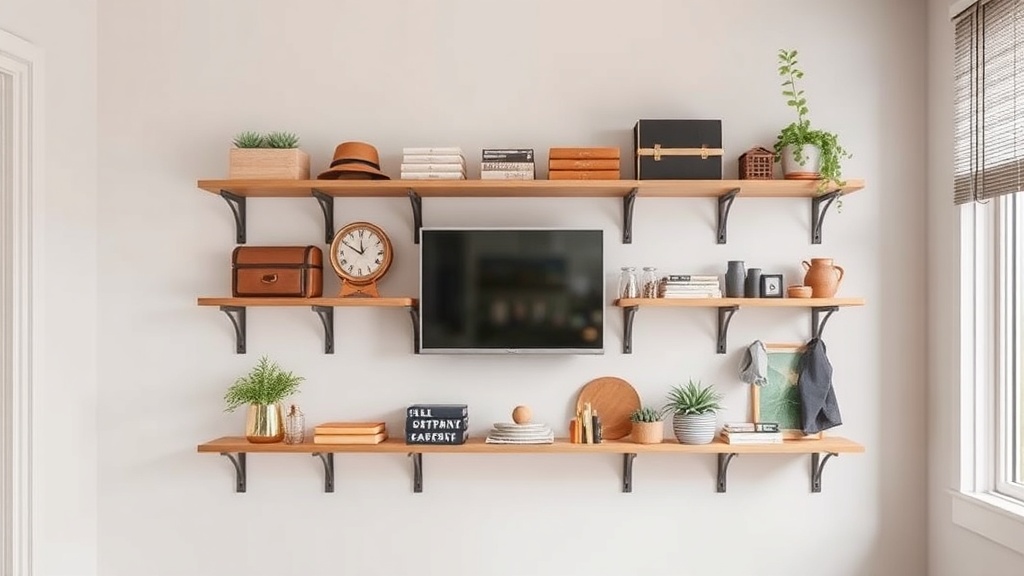
Your Walls Are Wasting Space: Creative Vertical Storage Ideas That Actually Look Good

Most people think they've maxed out their storage when every closet is full and the cabinets won't close. That's not even half the story. Your walls—those vertical planes sitting right there, doing nothing but holding paint—represent the most underutilized real estate in your entire home. Floor space is precious. Counter space is always at a premium. But vertical space? It sits empty while we trip over clutter below.
The problem isn't that wall storage doesn't work. It's that most of us picture either flimsy plastic organizers or institutional-looking shelving that screams "I gave up on aesthetics." Neither has to be true. Done right, vertical storage can become the design feature that pulls a room together—the thing guests notice and compliment instead of politely ignoring.
This isn't about stacking bins higher or installing generic wire racks. These ideas blend genuine storage solutions with interior design principles that belong in styled spaces. Whether you're renting and need temporary options or you're ready to commit to built-ins, there's a vertical approach that fits your situation—and your taste.
Why Do We Ignore Vertical Space in Small Rooms?
There's a psychological quirk at play here: we live horizontally. We walk across floors, set things on tables, and store items at eye level or below. Looking up requires a conscious shift—and most of us never make it. Small rooms especially suffer from this blind spot because every square foot of floor matters, yet we leave walls completely untouched out of some unspoken fear that height equals visual clutter.
The reality is more nuanced. Vertical elements draw the eye upward, creating perceived spaciousness. A floor lamp eats space; a wall-mounted sconce provides the same light while leaving floors clear. The same principle applies to storage. That narrow hallway doesn't need a console table (more floor obstruction)—it needs a properly designed wall system that stores more while taking up zero footprint.
Start reassessing your rooms by looking up. What's happening above shoulder height? In most homes, the answer is: nothing useful. That gap between the top of your cabinets and the ceiling? Wasted. The space above doorways? Empty. The upper third of every wall? Probably just paint. These aren't minor opportunities—they're the difference between a cramped space and one that breathes.
How Can Floating Shelves Look Intentional Instead of Afterthought?
Floating shelves have a bad reputation, and honestly? They've earned it. Too many installations look like someone measured poorly, slapped up a board, and called it storage. The result is a wobbly, sagging mess that holds three books and a plant that's slowly dying from neglect.
The difference between amateur and professional-looking floating shelves comes down to three things: depth, spacing, and what you actually put on them. Standard floating shelves are 8-10 inches deep—which is fine for paperbacks but useless for baskets, storage boxes, or anything you actually need to access regularly. Go deeper (12-15 inches) and you suddenly have genuine storage capacity. Suddenly that shelf can hold fabric bins, file boxes, or pantry overflow.
Spacing matters more than people realize. Eye level to about 6 feet is your prime real estate—this is where daily-access items live. Above that, you can go tighter (12-14 inches between shelves) because you're storing occasional-access items. Below eye level, give yourself 15-18 inches minimum so you can actually see what's back there. And please—stagger your shelf lengths instead of stacking identical boards. Asymmetry looks designed; perfect alignment looks like you bought a kit and followed the picture.
What you store determines whether shelves look like storage solutions or clutter displays. Closed storage always wins for visual calm, so invest in attractive bins, woven baskets, or metal boxes that read as intentional decor. The Container Store and IKEA both offer options that don't look like afterthoughts. Leave 20% of each shelf visually empty—this negative space prevents the "packed warehouse" aesthetic that makes rooms feel smaller, not larger.
What About Wall-Mounted Systems That Don't Look Like Garage Storage?
Pegboards and slatwall systems have been trapped in garage organization purgatory for decades. It's unfair, really—these are incredibly versatile systems that adapt to changing needs. The problem is association. We see pegboard and think tool bench, not bedroom. We see slatwall and picture hardware stores, not entryways.
Modern iterations have broken free from this industrial prison. Companies like West Elm and Anthropologie now offer slatwall-inspired systems in wood finishes and powder-coated metals that wouldn't look out of place in styled interiors. The key is material quality. A $20 pressed-board pegboard from the hardware store will always look like... a $20 pressed-board pegboard. But birch plywood versions with integrated shelving? That's a different conversation entirely.
The flexibility is what makes these systems worth the investment. Today's mail organizer becomes tomorrow's plant shelf becomes next year's scarf display. Hooks, bins, shelves, and rods all swap positions without tools. For renters, this is gold—one installation, infinite reconfigurations as your needs change. For homeowners, it means your storage grows with you instead of requiring complete overhauls every time life shifts.
Installation technique separates professional from DIY. These systems need to hit studs or use proper drywall anchors rated for serious weight—nothing ruins the look faster than a sagging wall of "organized" items. Mount at comfortable reaching height (usually 54-60 inches to the center), and plan for growth. Start with 30% capacity filled; you'll use the rest faster than you think.
Where Should You Actually Put Floor-to-Ceiling Storage?
Built-in shelving from floor to ceiling is the holy grail of vertical storage, but it's not right for every room. The spaces that benefit most are ones where you spend significant time and have genuine storage needs that aren't being met elsewhere. Living rooms with media collections. Bedrooms without adequate closet space. Dining rooms that double as home offices (because somehow that's normal now).
The design mistake most people make with built-ins is treating every shelf equally. Lower cabinets with doors hide the utilitarian stuff—files, electronics, anything you don't want to dust weekly. Open shelving in the middle zone displays the attractive items: books, curated objects, plants. Upper cabinets (above head height) store occasional-use items in closed storage so you don't need a ladder for daily access.
Depth variation adds sophistication. A standard 12-inch shelf depth works for most items, but incorporating some 15-18 inch sections accommodates baskets and larger storage containers. Even a single deeper bay changes the visual rhythm and provides genuine utility. The best built-ins feel architectural—like they were always part of the house, not furniture that got bolted to the wall.
Color choice determines whether built-ins recede or become feature elements. Matching wall color (or going slightly darker) helps shelving blend into the architecture, making rooms feel larger. Contrasting colors or natural wood tones turn storage into intentional design statements. Neither is wrong—it depends on whether you want storage to disappear or participate in your aesthetic.
Can You Store Things Above Doorways Without Looking Ridiculous?
That foot or two of wall space above every doorway is basically a storage meme at this point. We've all seen the Pinterest photos of picture-perfect shelves spanning door frames, holding tasteful baskets and trailing plants. Then we try it in our own homes and wonder why it looks like a precarious mess waiting to happen.
The trick is proportion and contents. Shallow shelving (6-8 inches deep maximum) prevents the "tunnel" effect that makes doorways feel cramped. Install at least 12 inches above the door frame—any closer and you enter awkward head-clearance territory. And please, be realistic about what belongs up there. This is not daily-access storage. It's seasonal items, extra linens, archived documents—the stuff you need maybe twice a year.
Continuity helps visually. Running the same shelving treatment across multiple doorways in an open space creates architectural flow. Stopping and starting randomly looks like you ran out of materials. If you're storing visually heavy items (baskets, boxes), keep them consistent—matching containers read as intentional design, while random cardboard screams "I couldn't fit this anywhere else."
Lighting transforms doorway storage from utilitarian to atmospheric. A simple LED strip above the shelving casts gentle uplight that makes the whole arrangement feel deliberate. Suddenly it's not just storage—it's ambient lighting that happens to hold your spare bedding. Details like this separate "I saw it on Pinterest" from "I hired a designer."
How Do You Make Vertical Storage Work in Rental Spaces?
Renters face the vertical storage dilemma hardest. You can't install proper shelving. You can't mount heavy systems. You're supposed to magically store your life in the same closets that barely held the previous tenant's things. It's not fair, but it's not hopeless either.
Tension-mounted systems have evolved far beyond shower curtain rods. Modern vertical storage solutions use floor-to-ceiling tension poles with adjustable arms, baskets, and shelves that genuinely hold weight without a single screw. They're not invisible—you'll see the poles—but they're minimal and removable when you leave. Companies like The Container Store specialize in rental-friendly options that don't require landlord negotiations.
Over-door organizers deserve reconsideration too. The cheap plastic pocket versions gave the whole category a bad name, but modern over-door systems include metal racks, mirrored cabinets, and specialized holders for everything from shoes to cleaning supplies. The key is matching the organizer's quality to your door's quality. A flimsy hollow-core door can't handle serious weight, but a solid door becomes genuine storage real estate with the right hardware.
Freestanding vertical units work when wall mounting isn't possible. Narrow étagères, ladder shelves, and column storage units maximize height without requiring installation. Position them against walls and style them intentionally—they're furniture now, not just storage, so they need to participate in your room's aesthetic. A mismatched collection of plastic drawers reads as temporary. A coordinated set of metal or wood shelving reads as intentional design.
What Mistakes Make Vertical Storage Actually Worse?
More storage isn't always better storage. The most common vertical storage mistake is installing systems at heights that require daily ladder use. If you need a step stool to reach your coffee mugs, you've failed at kitchen design. Daily-use items belong between knee and shoulder height—anything above or below is occasional-access territory.
Overloading is the second sin. Vertical storage has weight limits, and exceeding them creates the leaning tower of Pisa effect that makes rooms feel unstable and unsafe. Every shelf, hook, and bracket has a rated capacity. Respect it, and leave visual breathing room—crammed storage looks like hoarding, no matter how organized the contents.
The final mistake is treating vertical storage as purely functional rather than aesthetic. These are major visual elements in your rooms. They deserve the same design consideration as your sofa or dining table. Material choices, color coordination, and styling matter. A wall of purely utilitarian storage becomes an eyesore. A wall of storage that complements your design becomes a feature.
Your walls are waiting. Stop treating vertical space as something to cover with art and start treating it as the storage opportunity it actually is. Done well, vertical storage doesn't solve your space problems—it transforms how you think about space entirely.