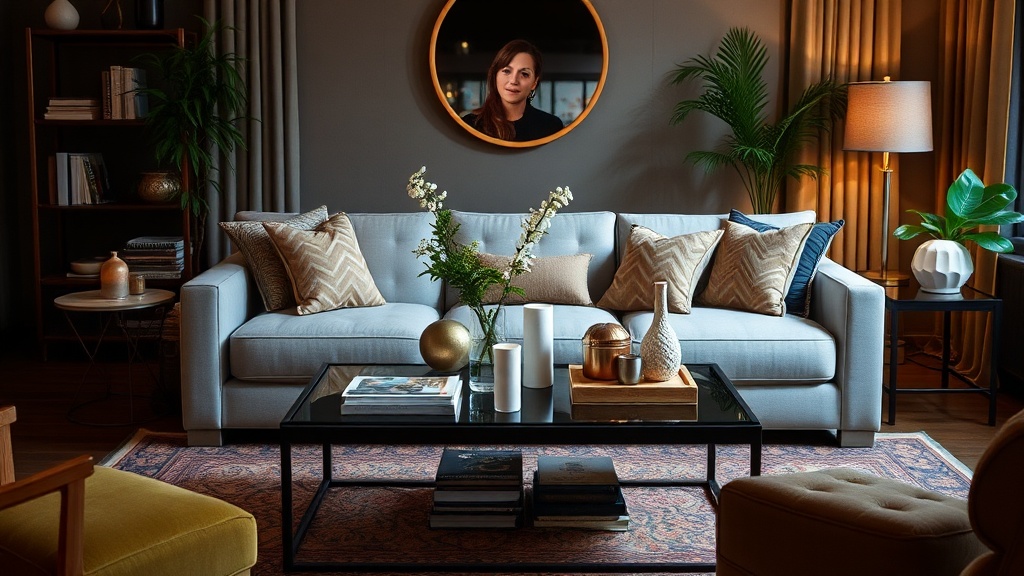
7 Chic Ways to Style Your Coffee Table Like a Pro

The Foundation: Stacked Coffee Table Books
Adding Texture with Organic Elements
The Power of a Decorative Tray
Layering Height with Candles and Vases
Incorporating Personal Keepsakes
Mixing Metals and Materials
Creating Negative Space for Balance
Studies show that the coffee table is often the most frequently touched piece of furniture in a living room, yet it remains one of the most neglected surfaces in interior design. Most people treat it as a graveyard for remote controls and half-empty water glasses. This guide breaks down seven specific, professional styling techniques to turn that cluttered surface into a curated focal point. We'll look at scale, texture, and the specific layering methods used by high-end designers to create visual interest without cluttering your living space.
How Do You Style a Coffee Table?
Styling a coffee table requires a balance of height, texture, and varying-sized objects to create visual interest. You shouldn't just place items randomly; you need to follow a structural plan. Start with a foundation—usually a tray or a large book—and build upward using objects of different heights. Think about the "Rule of Three," which suggests that items grouped in odd numbers look more natural to the human eye than even numbers.
A common mistake is choosing items that are all the same height. If everything is flat, the table looks dead. If everything is tall, it looks cluttered and unapproachable. You want a "high-low" dynamic. A tall vase provides the verticality, while a low bowl or a stack of books provides the base. It’s a simple way to keep the eye moving across the surface.
1. The Foundation: Trays and Books
Trays are the secret weapon of professional stylists. They act as a "container" for smaller items, which prevents the table from looking messy. If you have a collection of coasters or a small candle, putting them inside a wooden or marble tray makes them look intentional rather than scattered.
Books are another way to build height. Don't just use any old book; use "coffee table books" with high-quality photography or interesting spines. Brands like Taschen produce stunning volumes that serve as art pieces themselves. A stack of two or three large books creates a perfect pedestal for a small sculpture or a candle.
2. Playing with Vertical Height
If your table looks "flat," you need height. A single stem of eucalyptus in a slim vase or a taller branch in a ceramic vessel can change the entire vibe of the room. This adds a vertical element that draws the eye upward.
However, don't go too big. A vase that is taller than your sofa back can feel overwhelming and awkward. Aim for a height that feels proportional to the table's surface area. A simple ceramic vessel from a shop like IKEA works perfectly for this—it's functional and doesn't demand too much attention.
3. Texture and Material Contrast
A table that is all one material looks boring. If you have a sleek, glass coffee table, you need something organic to soften it. A wooden bowl or a woven basket adds warmth. If you have a heavy, rustic wooden table, a marble tray or a glass candle holder provides a necessary contrast.
Mixing materials is what makes a room feel "lived-in" rather than a showroom. Try pairing:
- Metal + Organic: A brass tray with a small succulent.
- Glass + Wood: A glass vase on a wooden tray.
- Stone + Fabric: A marble coaster next to a linen-wrapped book.
What Are the Best Coffee Table Decor Ideas?
The best decor ideas involve a mix of functional items and purely aesthetic pieces. You want your table to be usable for a real person—someone sitting down with a cup of tea—while still looking beautiful. This means avoiding items that are too fragile or too heavy to move easily.
One great approach is the "Layered Look." Start with a large book, place a small tray on top, and then add a candle or a small bowl inside that tray. This creates depth. It's a way to build a "scene" on your table. If you find your table is getting too crowded, you might need to look into clever storage hacks for small spaces to keep your living area organized.
| Style Type | Key Elements | Best For |
|---|---|---|
| Minimalist | Single vase, one book, neutral colors | Modern/Scandi Interiors |
| Maximalist | Multiple trays, art books, varied textures | Eclectic/Bohemian Interiors |
| Classic | Silver trays, white candles, symmetry | Traditional/Formal Interiors |
4. Incorporating Greenery
Plants bring life to a room. A small bowl of moss or a single branch can make a space feel much more vibrant. If you aren't great with plant care, high-quality faux greenery is a perfectly acceptable option. A dried hydrangea or a piece of driftwood can provide a similar organic feel without the maintenance.
Just be careful with the scale. A massive fern will swallow the table. Stick to smaller, more controlled elements like succulents or even a simple bowl of seasonal fruit (though you'll have to replace that frequently!).
5. The Art of Symmetry vs. Asymmetry
Symmetry feels formal and organized. If you place two identical candles on either side of a center vase, the table looks very balanced. This works well in traditional or formal living rooms.
Asymmetry, on the other hand, feels more relaxed and modern. This is achieved by grouping items of different shapes and sizes in an unbalanced way. For example, a tall vase on the left and a low, wide book on the right. It's not "perfect," but it feels intentional. Most people find asymmetry more comfortable in a casual living room setting.
6. Using Scent to Set the Mood
A coffee table is a sensory experience. A high-quality candle or a small incense holder adds an invisible layer of design. The scent of a room can change how people feel when they walk in.
When choosing a candle, consider the vessel. A heavy, matte ceramic candle holder looks much more expensive than a cheap glass one. It becomes a piece of sculpture even when it's not lit. This is a great way to add "weight" to your table's aesthetic.
7. Functionality and the "Real Life" Test
At the end of the day, a coffee table is a functional piece of furniture. If you can't actually set a drink down without knocking over a vase, your styling has gone too far. Always leave a "clear zone." This is a small area of the table that remains relatively empty so you can actually use the surface for its intended purpose.
If you're a person who constantly has magazines or remote controls lying around, consider using a decorative box. A beautiful wooden or leather box can hide your "mess" while still looking like a design choice. It's a way to maintain the aesthetic while keeping the clutter out of sight.
The goal isn't to create a museum display—it's to create a space that feels curated and personal. Don't be afraid to swap items out as the seasons change. A heavy brass bowl might look great in winter, but a light wooden tray might feel better in the summer. Your coffee table should evolve with your home.