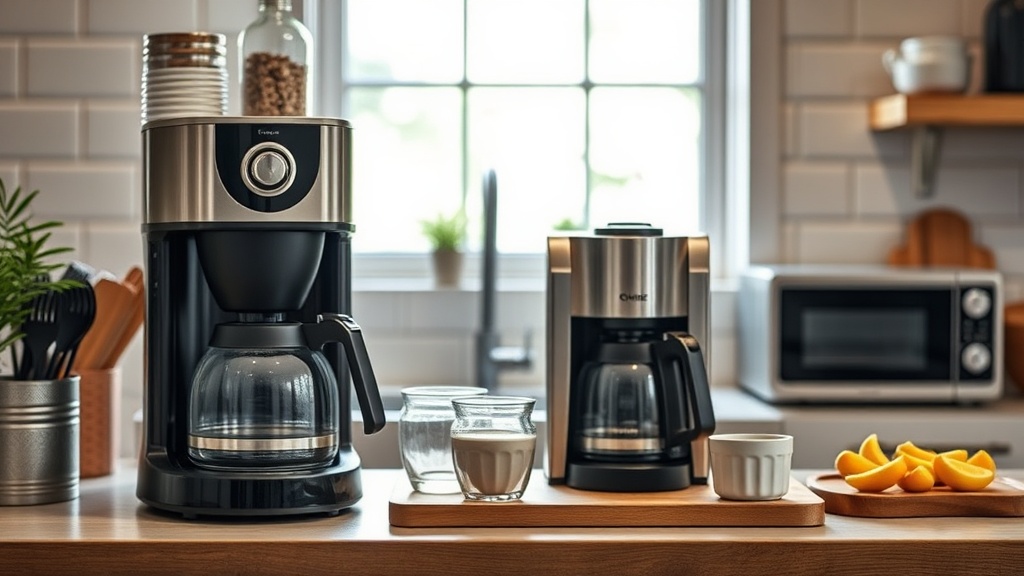
Create a High-Functioning Coffee Station in Your Kitchen

The average American adult consumes about 2.1 cups of coffee per day, a habit that has transformed the kitchen from a mere cooking space into a high-traffic caffeine hub. A dedicated coffee station reduces morning chaos by centralizing your brewing tools, syrups, and mugs in one predictable location. This guide breaks down how to design a functional coffee nook that fits your specific kitchen layout, whether you have a sprawling marble island or a tiny corner of a countertop.
Where Should You Place a Coffee Station in Your Kitchen?
The best location for a coffee station is a dedicated zone near an electrical outlet that stays out of the main cooking "work triangle." You want to avoid placing your espresso machine right next to a boiling pot of pasta or a heavy-duty blender. Ideally, find a corner or a stretch of counter that doesn't interfere with your primary meal prep area. If you have a small kitchen, a coffee station can live on a side sideboard or a dedicated rolling cart.
Placement depends entirely on your footprint. If you're working with a tiny apartment kitchen, you might need to look at vertical solutions. This is where maximizing small space storage becomes a real necessity. You aren't just looking for a flat surface; you're looking for a zone that makes sense for your morning flow.
Consider these three common zones:
- The Countertop Nook: Best for heavy-duty machines like a Breville Barista Express that require constant access.
- The Cabinet-In Corner: Great for hiding the mess behind doors when guests come over.
- The Mobile Cart: Perfect for renters or those with limited counter real estate.
What Are the Best Coffee Station Organization Ideas?
Effective organization relies on grouping similar items together and using vertical space to keep the counter clear. You shouldn't have your syrups, spoons, and coffee beans scattered across the entire kitchen. Instead, group them by frequency of use. Use tiered trays for syrups and specialized holders for your pods or coffee bags.
I've found that clear containers are a lifesaver. Seeing exactly how much espresso or oat milk you have left prevents that mid-morning realization that you're out of supplies. It’s a small detail, but it prevents a total workflow breakdown. (Trust me, running out of coffee at 7:00 AM is a special kind of misery.)
If you're a fan of the aesthetic look, consider how your tools look when they are on display. A high-end coffee station often looks more like a piece of decor than a messy utility area. This is where open shelving in modern kitchens can really shine. You can display your most beautiful ceramic mugs or a vintage Chemex to add personality to the space.
Here is a breakdown of common coffee station components and their storage needs:
| Category | Typical Items | Recommended Storage Solution |
|---|---|---|
| Brewing Gear | Espresso machine, Keurig, French Press | Sturdy, non-slip countertop space |
| Flavoring | Syrups, powders, sugar, honey | Tiered trays or rotating carousels |
| Small Tools | Spoons, frothers, scoops, timers | Ceramic-lined canisters or small bins |
| Drinkware | Mugs, espresso cups, travel tumblers |
Don't forget the power aspect. If you're using a high-wattage machine like a Jura or a Nespresso Vertuo, ensure your circuit can handle the load alongside your toaster or microwave. It’s a technicality that people often overlook until a breaker trips.
How Much Does a Coffee Station Setup Cost?
A coffee station can cost anywhere from $50 to over $2,000 depending on your level of obsession. A budget-friendly setup might involve a simple bamboo tray from Target and some glass jars from a thrift store. A high-end setup, however, involves professional-grade equipment and custom cabinetry.
Let's look at the tiers of investment:
- The Minimalist ($50 - $150): A simple tray, a basic pour-over kit, and a few glass jars for beans. This is great for testing the waters.
- The Enthusiast ($300 - $800): This includes a mid-range machine like a Breville Bambino and a dedicated milk frother, plus better organization tools.
- The Home Barista ($1,000+): This is a serious commitment. We're talking high-end espresso machines, a dedicated grinder, and custom-built shelving or cabinetry.
The real cost isn't just the equipment; it's the space. If you're adding a coffee station to a kitchen that's already cramped, you might need to rethink your entire layout. If you're struggling with a lack of surface area, you might want to check out my tips on using kitchen countertops for more prep space to ensure your coffee station doesn't swallow your workspace.
How Do I Style a Coffee Station to Look High-End?
Styling a coffee station requires a balance of utility and visual appeal. You want it to look intentional, not like a pile of clutter that happened to land on your counter. Start with a base—this could be a marble slab, a wooden tray, or even a linen runner. This "anchors" the station and defines the boundaries of the zone.
Texture is your best friend here. Mix the hard surfaces of your coffee machine with the soft textures of a small linen towel or a ceramic jar. If you have a lot of metal tools, adding a small plant (even a fake one) can soften the look. It keeps the station from feeling too industrial or cold.
Color palettes also matter. If your kitchen is mostly white and neutral, a pop of color from a bright red kettle or a set of colorful mugs can act as a focal point. If you prefer a minimalist vibe, stick to monochromatic tones—all matte black or all brushed gold. The goal is cohesion. A mismatched collection of half-empty bags of coffee and sticky syrup bottles will always look messy, no matter how much you style them.
One thing to watch out for: lighting. If your coffee station is tucked in a dark corner, it’s going to look uninviting. A small, battery-operated lamp or even a nearby pendant light can make the area feel much more welcoming during those early morning hours.
"A well-organized coffee station is more than just a place to make a drink; it's a ritualized space that sets the tone for your entire day."
Keep your essentials within arm's reach, but don't overstuff the area. If you have to move three things just to reach your spoon, your station is too crowded. A functional space should feel effortless. It's about creating a small, efficient engine for your morning routine—one that looks good enough to show off when people walk into your kitchen.
Steps
- 1
Select Your Zone
- 2
Choose a Base Tray
- 3
Arrange Your Essentials
- 4
Add Decorative Elements