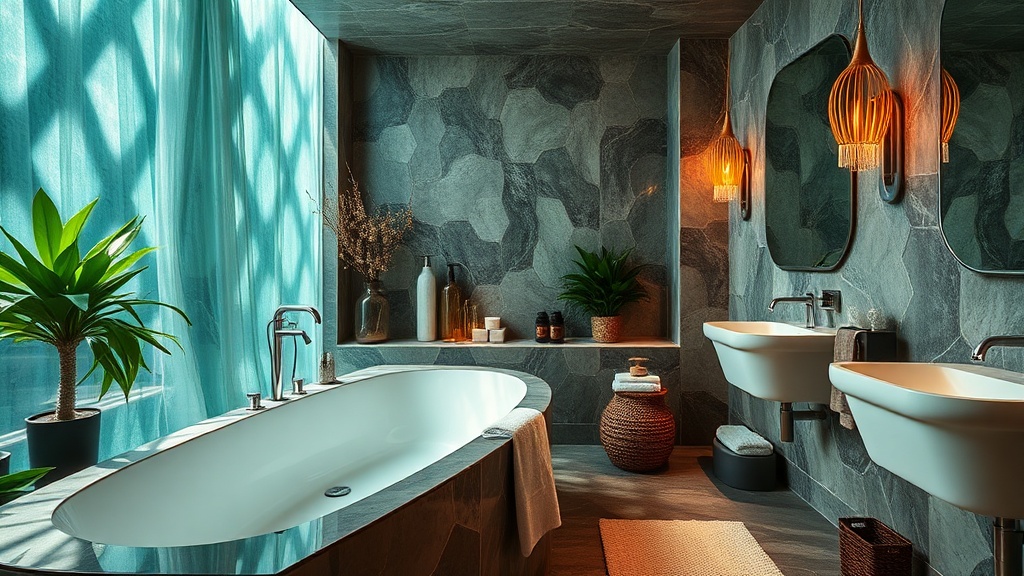
Transform Your Bathroom Into a Spa-Like Sanctuary

Research from the American Psychological Association suggests that even small changes to your physical environment can significantly lower cortisol levels. Most people view the bathroom as a purely functional space—a place to brush teeth or wash hands—but it's actually one of the few rooms in a home where you can truly disconnect. This guide covers how to select the right textures, lighting, and organizational systems to turn a standard bathroom into a high-end sanctuary. We'll look at everything from material selection to the psychological impact of scent and light.
How Do I Create a Spa Atmosphere at Home?
You create a spa atmosphere by focusing on sensory details rather than just aesthetic ones. A beautiful marble vanity looks great, but if the lighting is a harsh fluorescent bulb, you won't feel relaxed. To get that high-end resort feeling, you need to address sight, touch, and smell simultaneously.
Start with your lighting. Most standard bathrooms use high-Kelvin bulbs that feel clinical and cold. Switch to "warm white" bulbs (around 2700K) to soften the room. If you have the space, adding a dimmable light source or even a small, battery-operated candle near the tub can change the entire mood. It's a small tweak, but it makes a massive difference.
Next, think about texture. A bathroom with only hard surfaces—tile, porcelain, metal—feels cold. You need to introduce soft, organic elements. This is where high-quality textiles come in. Instead of the cheap, thin towels you find at big-box stores, look for heavy, high-GSM (grams per square meter) cotton towels. Brands like Brooklinen offer much heavier weight than standard retail options, which adds a sense of luxury every time you dry off.
Don't forget the floor. A plush bath mat or even a small washable rug can make the space feel less like a sterile lab and more like a living space. If you're on a budget, even a simple wooden bamboo mat next to the shower can break up the monotony of tile.
What Are the Best Materials for a Luxury Bathroom?
The best materials for a luxury bathroom are natural stones, wood, and high-quality metals that offer texture and durability. While synthetic materials are cheaper, they often lack the depth and "soul" that make a room feel expensive. If you're looking for a permanent upgrade, natural stone is the gold standard.
- Marble or Quartz: These provide a classic, high-end look. Quartz is often better for high-traffic areas because it's less porous and easier to maintain.
- Natural Wood: Teak or bamboo adds warmth. A teak shower bench or a wooden vanity can balance out the coldness of ceramic tiles.
- Brushed Metals: Avoid shiny, cheap-looking chrome. Opt for brushed nickel or matte black fixtures to give the room a more modern, intentional feel.
- Natural Fibers: Use jute or cotton for rugs and towels to bring organic textures into the room.
If you're dealing with a smaller footprint, you might feel limited in your choices. However, the principles of high-end design still apply. You can use smart storage solutions to keep your counters clear, which makes even a tiny bathroom feel much more expansive and luxurious.
One thing to keep in mind: natural stone requires maintenance. If you go with a marble countertop, you'll need to seal it regularly to prevent staining from toothpaste or soap. It's a trade-off between a specific look and the work required to keep it looking pristine.
How Much Does a Bathroom Makeover Cost?
The cost of a bathroom makeover depends entirely on whether you are doing a cosmetic refresh or a full structural renovation. A cosmetic refresh focuses on "surface-level" changes like paint, hardware, and decor, while a renovation involves moving plumbing or knocking down walls.
| Project Type | Estimated Cost (USD) | Primary Focus |
|---|---|---|
| Cosmetic Refresh | $200 - $1,500 | Paint, new hardware, towels, lighting, and scents. |
| Mid-Range Update | $3,000 - $10,000 | New vanity, faucet, mirror, and high-end lighting fixtures. |
| $15,000 - $40,000+ | - |New tile, plumbing relocation, bathtub/shower replacement. |
Most people find that the most impact comes from the mid-range updates. You don't necessarily need to rip out your bathtub to feel like you've upgraded. Sometimes, just replacing an old, dated faucet with a modern matte black version from a brand like Kohler can change the entire vibe of the sink area.
Worth noting—always budget an extra 15% for unexpected issues. If you're doing any work involving plumbing or tile, you might find a leak or a damaged wall once you start peeling back the layers. It's better to be prepared than surprised.
How Can I Organize My Countertop for a Cleaner Look?
To keep your counters clean, you must move your daily-use items into hidden storage or onto designated, aesthetically pleasing trays. A cluttered countertop is the fastest way to kill a "spa" vibe. If you can see half-empty bottles of mouthwash and stray hair ties, the room will always feel chaotic.
The "tray method" is a lifesaver here. Instead of having various bottles scattered, group them on a small marble or wooden tray. This makes the items look like a deliberate "vignette" rather than a mess. It's a simple trick used by interior designers to make functional items look intentional.
For larger items, look toward the walls. If you have a small bathroom, vertical space is your best friend. You can use floating shelves to hold your most beautiful items—like a high-end candle or a nice glass jar of cotton rounds—while keeping the "ugly" stuff hidden in cabinets or drawers. This is similar to how you might organize a kitchen pantry to keep surfaces clear and functional.
Here's a quick checklist for your countertop organization:
- Group by Category: Keep skincare together, hair tools together, and dental items together.
- Use Uniform Containers: If you have many different-looking bottles, decant your liquids into uniform glass dispensers. It's a bit of extra work, but the visual consistency is striking.
- Hide the "Ugly" Items: Anything that isn't visually pleasing (like a bright orange toothbrush or a plastic soap dispenser) should live inside a drawer or a cabinet.
- Add a Living Element: A small plant—even a low-maintenance one like a snake plant or a small succulent—adds life and color to the space.
The goal isn't just to hide things; it's to curate what is visible. If you have a beautiful bottle of Aesop hand soap, leave it out. If you have a cluttered pile of medicine, hide it. It's all about the balance between function and form.
The transition from a functional bathroom to a sanctuary doesn't require a massive construction budget. It requires an eye for detail. By focusing on the quality of your materials, the warmth of your lighting, and the organization of your surfaces, you create a space that actually serves your mental well-being. Start with one small area—perhaps the vanity or the shower ledge—and build from there. Your daily routine deserves a better backdrop than a cluttered, cold room.